
NZ Business Structures Explained: Sole Trader, Partnership, or Company?
Choosing the Right Business Structure for Your New Venture
Key Takeaways
- Your business structure determines your personal liability and how much tax you pay.
- Most New Zealand businesses operate as sole traders, companies, or partnerships.
- GST registration becomes compulsory once your annual turnover reaches 60,000 dollars.
- A limited liability company provides a separate legal identity, protecting your personal assets from business debts.
Understanding the Foundation of Your Business
Starting a new venture is a significant milestone. Whether you are launching a boutique business, taking over a family orchard, or starting a trade, the very first decision you make is often the most consequential. We view your business structure as the legal foundation of everything you do. It shapes your exposure to risk, your tax obligations, and your ability to grow or sell the business later on.
The scale of small business in our country is immense. According to Stats NZ, as at February 2025, New Zealand had 617,330 enterprises. Perhaps more telling is that 74% of these enterprises had no paid employees. These are owner-operators and very small businesses where the line between business and personal life is often thin. Because so many New Zealanders run these small operations, the choice of structure has direct, household-level consequences. If the business hits a rough patch, the structure you chose on day one determines if your family home is at risk.
The Sole Trader: Simplicity and Personal Risk
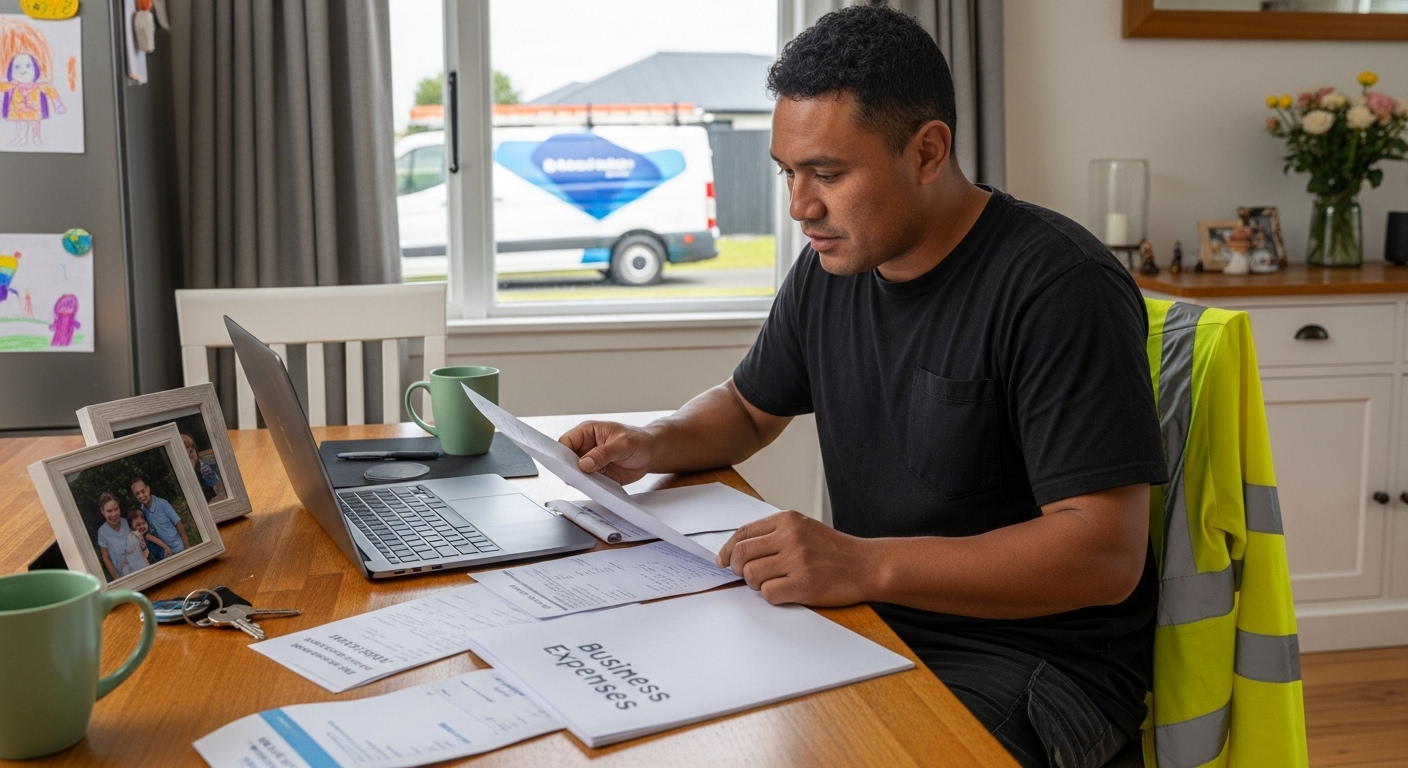
Many people begin their journey as sole traders because it is the easiest and cheapest way to get started. You are the business. There is no separate legal entity, which means you have full control and keep all the profits. However, this simplicity comes with a significant trade-off. As a sole trader, you face unlimited personal liability for all business debts and legal actions. If a contract goes wrong or a debt cannot be paid, your personal assets are on the line.
We often see tradies or consultants start this way to keep admin costs low. While it works for some, the lack of separation can become a burden as the business grows. Most businesses in New Zealand are sole traders, companies, or partnerships, but the transition to a more formal structure often happens when the risks start to outweigh the ease of operation. If you are hiring staff or taking on significant commercial leases, the sole trader model may no longer provide the protection you need.
Partnerships: Sharing the Load and the Liability
A partnership involves two or more people sharing the costs and profits of a business. This is common in professional services or family-run operations. Like a sole trader, a partnership is not a separate legal entity. This means partners share the liability for business debts. In our experience, the biggest risk here is joint and several liability. This legal concept means you can be held responsible for the full amount of a partnership debt, even if your partner was the one who incurred it.
We always recommend a formal partnership agreement to clearly define roles, profit sharing, and what happens if someone wants to leave. Without this, you rely on default laws that might not suit your specific situation. For those operating in the Hawke’s Bay agribusiness sector, partnerships are often used for family farms, but they require careful management to ensure everyone is protected and the business remains viable for the next generation.
The Limited Liability Company: Built for Growth
A company is the preferred path for most serious, long-term ventures because it creates a separate legal entity. This separation is the cornerstone of modern commerce. It means the company owns the assets and incurs the debts, not the shareholders personally. This protection, known as limited liability, generally makes capital raising and investor confidence easier to manage. In a competitive environment, getting your business structure right at the outset is critical because changing it later can be costly and complex.
Operating a company brings more administration, such as filing annual returns and following the rules set out in the Companies Act. However, the benefits often outweigh the paperwork. For founders, we provide comprehensive company and commercial law advice to ensure you meet your obligations as a director while protecting your interests. A company structure is built for growth, making it much simpler to bring in new shareholders or eventually sell the business.
Tax and Compliance: The Numbers That Matter
Your choice of structure significantly impacts your tax bill. It is important that these initial discussions on structure are had in conjunction with an accountant to ensure that your structure is fit for purpose and the most effective for you.
Making the Right Choice for Hawke’s Bay
Our region has unique requirements. We have a high concentration of agribusinesses, orchards, and businesses operating on Māori land. These factors add layers of complexity to the standard business structures. For example, succession planning for an orchard involves more than just changing a name on a share register. It involves water rights, land titles, and family heritage. We pride ourselves on being a law firm who understand these local nuances.
A common mistake we observe is owners "locking in" a structure based on a generic online template without considering their future plane. If you intend to pass the business to your children or bring in outside investment, a sole trader setup will eventually fail you for example. You can find more detail on setting up and growing a business in our Business structuring playbook , which covers the strategic side of these decisions.

Next Steps After Structuring
Once your structure is in place, the work of protecting your business continues. Your legal foundation is only as strong as the contracts you use every day. We recommend that all new business owners prioritise robust documentation to manage their cashflow and risk. This includes having a clear set of rules for how you deal with customers and suppliers.
We often assist clients with reviewing your standard business terms to ensure they are fit for purpose. Good terms of trade help you get paid on time and limit your liability if things go wrong. Combining the right business structure with solid contracts gives you the best possible chance of long-term success. If you are ready to start or need to review your current setup, our team is here to provide the straightforward, practical advice you need to move forward with confidence.